


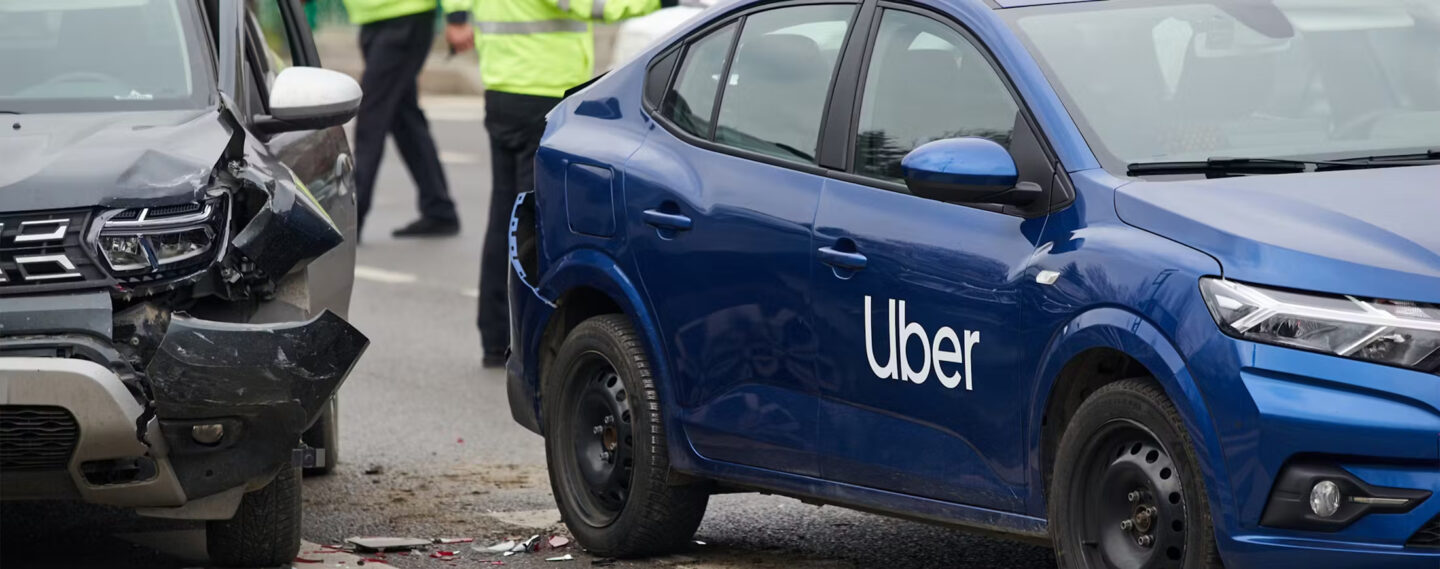
A rideshare accident is disorienting. One moment you are a passenger trusting an app to get you somewhere safely, and the next you are dealing with vehicle damage, potential injuries, and the looming question of who is going to pay for it. What you do in the minutes and hours that follow will have a direct impact on the strength of your claim and how much compensation you ultimately recover.
Call 911 and Get an Official Police Report
The first call you make after an Uber or Lyft accident should be to 911. An official accident report is the foundation of any insurance claim. Philadelphia police officers will document the scene, identify the involved parties, note any traffic violations, and record witness statements. Without a police report, insurance companies have far more room to dispute what actually happened. Even if the rideshare driver or other parties involved insist the damage is minor and suggest handling things privately, do not agree to that. Get the report.
Get Medical Attention Immediately, Even If You Feel Fine
Do not wait to see a doctor. Traumatic brain injuries, internal bleeding, and soft tissue damage are notoriously deceptive in the immediate aftermath of a crash. Adrenaline masks pain, and symptoms frequently appear hours or days after the collision. If you delay seeking care, the insurance company will argue that your injuries were not serious or were caused by something else entirely. A medical record documenting your condition shortly after the accident is one of the most important pieces of evidence you can have. According to the Mayo Clinic, TBI symptoms, including headaches, confusion, and nausea, can be delayed and easily overlooked without proper evaluation.
Screenshot Everything in the App Before You Close It
Before you exit the Uber or Lyft app, screenshot your trip receipt, the driver’s name and photo, the vehicle information, and your trip status. This preserves digital proof that the app was active at the time of the crash. Uber and Lyft’s insurance coverage depends in part on what the driver was doing when the accident occurred, so documenting the app’s activity is essential. Take photographs of vehicle positions, road conditions, traffic signals, visible damage, and any injuries. Gather the names and phone numbers of witnesses before anyone leaves the scene.
Understand How Rideshare Insurance Coverage Actually Works
Uber and Lyft both carry significant insurance policies, but those policies are tiered depending on the driver’s status at the time of the crash. When a driver is actively transporting a passenger, both companies provide up to $1 million in liability coverage. The situation becomes more complicated if the driver was logged into the app but had not yet accepted a ride, or if the app was off entirely. The Insurance Information Institute provides a useful breakdown of how personal auto insurance interacts with rideshare coverage and why gaps exist. Understanding these tiers matters because it determines which insurer is responsible and how much coverage is available to you.
Do Not Give a Recorded Statement to Any Insurance Company
Uber and Lyft will have their own claims teams. The other driver’s insurer will have one too. None of these parties is working in your interest, and anything you say in a recorded statement can and will be used to minimize or deny your claim. Politely decline any requests for a recorded statement until you have spoken with an attorney. This applies to your own insurance company as well, in most circumstances.
Contact a Philadelphia Rideshare Accident Attorney Immediately!
Digital evidence disappears fast. GPS data, app logs, driver activity history, and internal company records are not things Uber or Lyft will volunteer on your behalf, and that data can become unavailable surprisingly quickly after an accident. An attorney who handles Philadelphia Uber and Lyft accident claims can move quickly to preserve this evidence, identify all available insurance coverage, and protect you from the tactics insurers use to undervalue claims.
Rideshare accident cases also involve overlapping insurance policies, questions about driver employment status, and companies with significant legal resources. Having an experienced attorney in your corner matters from the start, not after you have already given statements or accepted an inadequate settlement offer.
What About Injuries Caused by Other Drivers?
In some rideshare accidents, another driver, not your Uber or Lyft driver, is at fault. If that’s the case, you may have a claim against that driver’s insurance, and Uber or Lyft’s uninsured or underinsured motorist coverage may also apply if the at-fault driver lacks adequate insurance. Philadelphia personal injury cases involving rideshare vehicles can involve multiple potentially liable parties, which is another reason early legal involvement matters. If you are also dealing with injuries from a separate incident, understanding your options across different types of accident claims is important, and an attorney experienced in Philadelphia personal injury law can help evaluate the full picture.
Do Not Navigate This Alone, Contact Pagano Law Today!
Rideshare companies are not small operations. They have legal teams and insurer relationships built around limiting payouts. The steps you take immediately after the accident, from calling 911 to preserving app data to declining recorded statements, matter. So does the attorney you choose. If you or someone you care about was injured in a rideshare accident in Philadelphia, do not wait! Get in touch with Pagano Law at 215-636-0160 for a consultation.