

Philadelphia Endangering The Welfare Of A Child Lawyer
Available Now
(215) 636-0160
24/7 for urgent matters
Philadelphia & Media, PA
Direct attorney access
Philadelphia Endangering the Welfare of a Child Defense Attorneys Protecting Your Future
When facing charges for endangering the welfare of a child in Philadelphia, it’s important to have experienced legal defense by your side. These serious criminal allegations can permanently damage your reputation, destroy your career, and result in significant jail time and hefty fines. At Pagano Law, we understand the gravity of these charges and provide aggressive, experienced legal representation to protect your rights and your future.
Endangering the welfare of a child is one of the most serious criminal charges you can face in Pennsylvania. The legal system treats these cases with extreme severity, and prosecutors often pursue maximum penalties. Having an experienced Philadelphia criminal defense attorney on your side is essential for protecting your freedom and your future.

Understanding Child Endangerment Charges in Philadelphia
Pennsylvania law defines endangering the welfare of a child as knowingly endangering the welfare of a child under 18 years of age by violating a duty of care, protection, or support. This broad definition encompasses a wide range of conduct, making it crucial to understand exactly what constitutes this offense under Pennsylvania Crimes Code Section 4304.
The law recognizes that adults have a fundamental responsibility to protect children from harm. When this duty is allegedly violated, the consequences can be severe. Endangering the welfare of a child charges can arise from various situations, including instances where a parent or caregiver fails to provide proper supervision, exposes a child to dangerous conditions, allows a child to be present during illegal drug activity, or fails to seek necessary medical care for a child.
In more serious cases, prosecutors may also pursue related allegations involving digital evidence or sexually explicit material, such as child pornography cases, which carry additional penalties and mandatory registration requirements.
The prosecution must prove that the defendant knowingly engaged in conduct that endangered the child’s welfare. This means the defendant must have been aware that their actions or inactions created a risk of harm to the child. However, the prosecution does not need to prove that the child was actually harmed, only that the defendant’s conduct created a substantial risk of harm.

Types of Conduct That Can Lead to Child Endangerment Charges in Philadelphia
Child endangerment charges can stem from a surprisingly broad range of circumstances. Physical abuse or neglect represents the most obvious category, but many cases involve more subtle forms of alleged endangerment that parents and caregivers might not immediately recognize as criminal conduct.
Leaving a child unattended in dangerous circumstances frequently leads to charges. This could include leaving young children alone in a car, especially during extreme weather conditions, or leaving children unsupervised in situations where they could be exposed to hazards. The age of the child and the specific circumstances surrounding the incident play crucial roles in determining whether charges will be filed.
Drug-related offenses often trigger additional child endangerment charges when children are present. If law enforcement discovers illegal substances in a home where children reside, or if a parent is arrested for drug-related offenses while caring for children, prosecutors may add endangering the welfare of a child charges to the case. Even legal substances like alcohol can form the basis for charges if a parent’s intoxication creates dangerous conditions for children.
Educational neglect, where parents fail to ensure their children attend school regularly, can also result in child endangerment charges in certain circumstances. Similarly, failing to provide necessary medical care when a child has serious health conditions may lead to criminal charges, even if the parents had religious or personal reasons for avoiding medical treatment.
Domestic violence situations frequently involve child endangerment charges, particularly when children witness violence between adults in the household. Pennsylvania law recognizes that exposing children to domestic violence can cause significant psychological harm, and prosecutors often pursue these charges even when the children were not directly targeted by the violence.
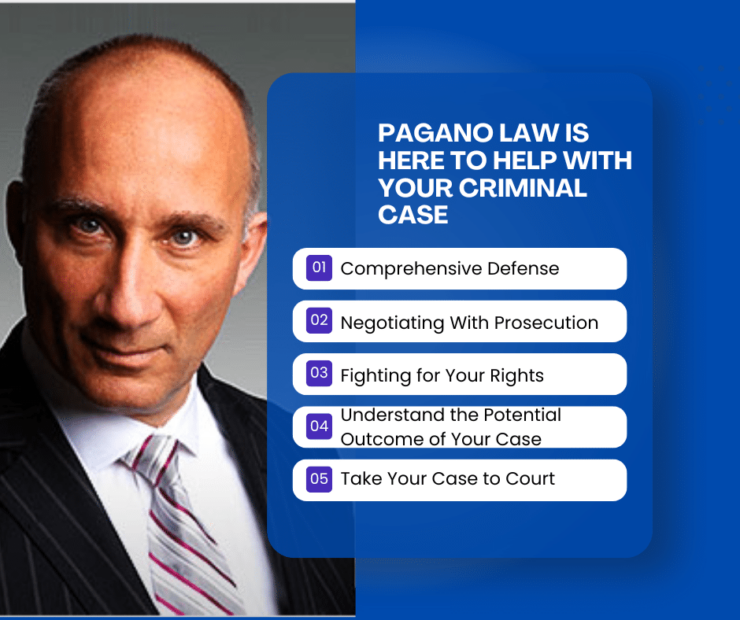
Penalties and Consequences for Child Endangerment Convictions in Philadelphia
The penalties for endangering the welfare of a child in Pennsylvania vary depending on the specific circumstances of the case and the defendant’s criminal history. Most child endangerment cases are charged as misdemeanors, but certain aggravating factors can elevate the charges to felony level, dramatically increasing the potential penalties.
A misdemeanor conviction for child endangerment can result in up to two years in prison and fines of up to $5,000. However, when the conduct involves a course of conduct or repeated incidents, or when the child suffers serious bodily injury, the charges may be elevated to a felony. Felony child endangerment convictions can result in up to seven years in prison and substantially higher fines.
Beyond the immediate criminal penalties, a conviction for endangering the welfare of a child carries long-lasting collateral consequences. A criminal record for child endangerment can severely impact employment opportunities, particularly in fields involving work with children, elderly individuals, or other vulnerable populations. Professional licenses may be suspended or revoked, and educational opportunities may be limited.
Family law consequences often prove equally devastating. A conviction can affect custody arrangements, visitation rights, and may result in involvement with child protective services. In severe cases, parental rights may be terminated entirely. The stigma associated with child endangerment charges can damage personal relationships and standing in the community for years to come.
Immigration consequences may also apply for non-citizens. Child endangerment convictions can trigger deportation proceedings, affect applications for citizenship or permanent residency, and prevent individuals from returning to the United States if they leave the country.
Building a Strong Defense Strategy
Successfully defending against child endangerment charges requires a comprehensive understanding of Pennsylvania criminal law and extensive experience handling these sensitive cases. At Pagano Law, we employ multiple defense strategies tailored to the specific facts and circumstances of each case.
Challenging the prosecution’s evidence represents a fundamental aspect of any defense strategy. Child endangerment cases often rely heavily on testimony from children, which can be problematic for several reasons. Children’s memories can be unreliable, especially when significant time has passed between the alleged incident and their testimony. Additionally, children may be influenced by leading questions from investigators or may misunderstand or misinterpret events they witnessed.
In cases involving allegations of neglect or failure to provide proper care, we often present evidence demonstrating that our client acted reasonably under the circumstances. Parents and caregivers must make countless decisions daily regarding their children’s safety and welfare. What might appear negligent in hindsight may have been a reasonable decision given the information available at the time.
Medical evidence plays a crucial role in many child endangerment cases. When allegations involve failure to seek medical care, we work with medical experts to demonstrate that the child’s condition was not as serious as prosecutors claim, or that reasonable parents might not have recognized the need for immediate medical attention. In cases involving alleged physical abuse, medical evidence may contradict the prosecution’s theory of how injuries occurred.
Constitutional challenges sometimes provide effective defense strategies. If law enforcement violated the defendant’s constitutional rights during the investigation, crucial evidence may be suppressed. This could include evidence obtained through illegal searches, statements made without proper Miranda warnings, or evidence gathered in violation of the defendant’s right to counsel.

The Importance of Immediate Legal Representation in Philadelphia
When facing child endangerment charges, time is of the essence. The earlier an experienced criminal defense attorney becomes involved in your case, the better the chances of achieving a favorable outcome. Early intervention allows your attorney to preserve crucial evidence, interview witnesses while their memories are fresh, and begin building your defense strategy immediately.
Child endangerment investigations often begin before any charges are filed. If child protective services contacts you, if law enforcement wants to interview you about allegations involving a child, or if you learn that you’re being investigated for child endangerment, contacting an attorney immediately is crucial. Anything you say during these early interactions can be used against you later, and having legal representation ensures that your rights are protected from the very beginning.
The investigation phase of child endangerment cases often involves multiple agencies working together. Law enforcement, child protective services, medical professionals, and prosecutors may all be involved in gathering evidence and building a case. Having an experienced attorney monitor these interactions and protect your interests throughout the process is invaluable.
Why Choose Pagano Law for Your Child Endangerment Defense in Philadelphia
At Pagano Law, we bring over 40 years of experience defending clients against serious criminal charges in Philadelphia and throughout Pennsylvania. We understand that being accused of endangering a child is one of the most stressful and frightening experiences a person can face. Our approach combines aggressive legal advocacy with compassionate client service, ensuring that you receive both the strong legal representation you need and the support you deserve during this difficult time.
Our experience handling child endangerment cases gives us unique insight into how prosecutors build these cases and what defense strategies are most effective. We work closely with expert witnesses, including medical professionals, child psychologists, and other specialists who can provide crucial testimony to support your defense.
We also understand the emotional toll these charges take on families. Child endangerment allegations often arise from situations where families are already struggling with difficult circumstances. Our team provides not just legal representation, but also guidance and support to help you navigate the complex legal system while protecting your family’s interests.

Contact Pagano Law in Philadelphia Today!
If you’re facing child endangerment charges in Philadelphia or anywhere in Pennsylvania, don’t wait to seek legal help. Every day that passes without proper legal representation is a day that could compromise your defense. Contact Pagano Law today at 215-636-0160 for a confidential consultation about your case. Our experienced legal team is ready to fight for your rights and protect your future. Call now to schedule your consultation and take the first step toward building a strong defense against these serious charges.
What We Handle
Key areas we fight for you
Track Record
Legal Case Results
Client Stories
What clients say about us
Questions about Philadelphia Endangering The Welfare Of A Child Lawyer
Our attorneys field these questions daily. Here are the most common ones — but every situation is unique. Call us for a direct answer about your case.
Speak with an AttorneyWhat is child endangerment in Pennsylvania
It is a criminal charge involving conduct that allegedly places a child under 18 at risk due to neglect, unsafe conditions, or failure to provide proper care or supervision.
Can child endangerment charges be proven without physical harm
Yes. The prosecution only needs to show that a child was placed at substantial risk of harm, not that actual injury occurred.
What are the penalties for child endangerment
Penalties may include jail time, fines, and long-term consequences such as loss of custody rights, professional license issues, and a permanent criminal record.