

Homicide Defense Lawyers
Available Now
(215) 636-0160
24/7 for urgent matters
Philadelphia & Media, PA
Direct attorney access
Understanding Homicide Charges in Philadelphia
The Philadelphia District Attorney’s Office aggressively prosecutes violent crimes, dedicating substantial resources and its most experienced prosecutors to these cases. Whether you’re facing murder or manslaughter charges, the prosecution will leave no stone unturned in building their case against you. This is why having a knowledgeable and strategic defense team is absolutely critical.
I should have left this review a long while ago. I was fighting a serious case in 2012. Its effects turned my life upside down. Mr. Pagano saved my life. The opportunities I have today would not be possible if not for him and his entire team.
Murder & Homicide Defense in Philadelphia
Murder and homicide charges represent the most serious offenses in the Pennsylvania criminal justice system. The Commonwealth categorizes these charges into different degrees, each with distinct elements and potential penalties. Our defense team at Pagano Law has extensive experience handling all types of homicide cases, including:
First-Degree Murder
When prosecutors charge first-degree murder, they must prove a specific intent to kill along with premeditation and deliberation. This is the most serious charge possible, carrying a mandatory sentence of life imprisonment without parole or potentially capital punishment in certain circumstances. Our attorneys understand how to challenge the prosecution’s evidence of intent and premeditation, which is often circumstantial and can be interpreted in multiple ways.
If you’re facing first-degree murder charges, time is critical. Call Pagano Law immediately at 215-636-0160 for a confidential consultation.
Second-Degree Murder
Also known as “felony murder,” second-degree murder involves a death that occurs during the commission of certain felonies, even if there was no specific intent to kill. This charge carries a mandatory life sentence, making it crucial to have experienced defense counsel who can challenge the underlying felony allegations or contest the connection between the felony and the death.
One of the most misunderstood aspects of Pennsylvania homicide law is that you do not have to be the person who pulled the trigger to be charged with murder. Under the felony murder doctrine, if you participated in a felony, such as a robbery, and someone died during that crime, you can be charged with second-degree murder even if you had no idea anyone would be killed and even if you were not present at the moment of the killing. A person who drove the getaway car while an accomplice shot someone inside a convenience store can face the same mandatory life sentence as the person who fired the weapon. If you are facing felony murder charges based on your involvement with another person’s actions, it is critical that you understand your exposure and your options. Call Pagano Law immediately at 215-636-0160.
Third-Degree Murder
Third-degree murder encompasses all other murder charges where malice is present but without the specific intent to kill required for first-degree murder. While still extremely serious, this charge allows for more flexibility in sentencing, making it a potential target for plea negotiations in appropriate cases.
Understanding Pennsylvania’s Sentencing Guidelines
Violent crime convictions in Pennsylvania can carry severe consequences. First-degree murder results in either life imprisonment without possibility of parole or death penalty in cases with aggravating circumstances. Second-degree murder carries a mandatory life sentence, while third-degree murder is punishable by up to 40 years in prison.
Don’t risk your future by waiting to get legal help. Contact Pagano Law now at 215-636-0160 for immediate assistance.
Greg is an excellent defense attorney, and is relentless in his pursuit to get his clients the best outcome possible. He actually cares about the people he represents, and checks in frequently on them.
Why Choose Pagano Law for Your Defense
Decades of Experience in Violent Crime Defense
Our attorneys have handled hundreds of serious violent crime cases throughout Philadelphia and the surrounding counties. This deep experience allows us to anticipate prosecution strategies, identify weaknesses in the state’s case, and develop effective counter-strategies to protect our clients’ interests.
Comprehensive Investigation and Case Preparation
We understand that successful defense against serious violent crime charges requires thorough investigation and preparation. Our team:
- Conducts independent crime scene investigations
- Interviews witnesses the police may have overlooked
- Works with forensic experts to analyze physical evidence
- Reviews police procedures for potential constitutional violations
- Examines medical evidence and autopsy reports
- Develops alternative theories of the case
Defense Strategies We Use in Philadelphia Homicide Cases
Every homicide case turns on its own facts, but there are specific strategies that our attorneys evaluate in every matter we take on:
- Challenging eyewitness testimony. Eyewitness identifications are among the least reliable forms of evidence, yet they remain a cornerstone of many homicide prosecutions in Philadelphia. We scrutinize the conditions of any identification, the suggestiveness of police procedures, and the opportunity a witness actually had to observe what they claim to have seen.
- Attacking lack of corroboration. Prosecutors often build homicide cases on a single witness or a confession without physical evidence to support it. We expose those gaps and make the prosecution account for what is missing from their case.
- Exposing co-defendant motive. When a co-defendant or cooperating witness testifies against your client, they are almost always doing so to benefit themselves. We make juries understand that dynamic and challenge the credibility of anyone whose testimony was purchased with a deal.
- Self-defense and justification arguments. Pennsylvania law recognizes the right to defend yourself and others. When the facts support it, we build a comprehensive justification defense that puts the prosecution on the defensive.
- Mitigating premeditation in first-degree cases. The difference between a first-degree murder conviction and a lesser charge often comes down to whether the prosecution can prove deliberate intent. We challenge the evidence of planning and premeditation, which is frequently based on nothing more than circumstantial inference.
- Challenging false and coerced confessions. In a significant portion of wrongful conviction cases, the defendant gave a confession that was later proven false. Our attorneys know how to investigate the circumstances of any statement given to police and challenge confessions that were obtained improperly or under duress.
We Know How the Prosecution Builds Its Case
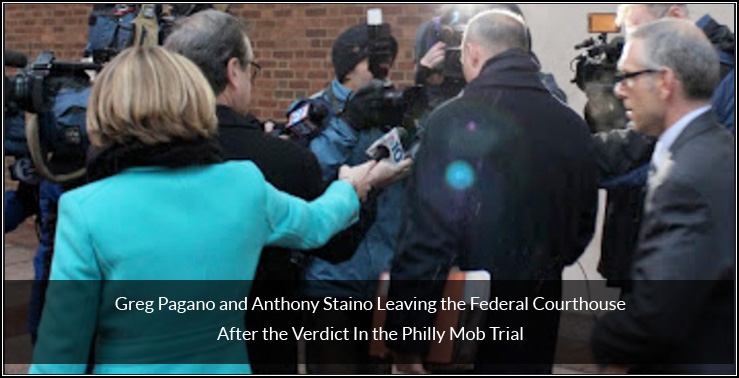
Our attorneys have spent decades working alongside and against the Philadelphia District Attorney’s Office. We understand the investigative tactics, charging decisions, and trial strategies the DA’s homicide unit relies on because we have seen them applied across hundreds of cases. That familiarity gives our clients a meaningful advantage from the earliest stages of a case, whether that means challenging a charging decision before it is finalized, exposing weaknesses in the prosecution’s theory at a preliminary hearing, or dismantling the state’s case piece by piece at trial.
Understanding Your Rights Throughout the Process
Pre-Arrest Investigation
If you’re under investigation for a violent crime but haven’t been charged, contact us immediately. Early intervention by experienced defense counsel can sometimes prevent charges from being filed or influence what charges are ultimately brought. We can protect your rights during police questioning and ensure you don’t inadvertently harm your defense.
Preliminary Hearings
The preliminary hearing is a crucial early stage in serious criminal cases. Our attorneys use this opportunity to test the prosecution’s evidence and lay the groundwork for future defense strategies. Sometimes we can get charges dismissed or reduced at this stage through skilled cross-examination of prosecution witnesses.
Pre-Trial Motions
Our team files aggressive pre-trial motions when appropriate to:
- Suppress illegally obtained evidence
- Challenge the constitutionality of police procedures
- Contest witness identifications
- Exclude prejudicial evidence
- Obtain crucial discovery from prosecutors
Trial Defense
If your case goes to trial, you’ll benefit from our extensive courtroom experience and proven track record in high-stakes criminal cases. We know how to present compelling defenses to juries and judges, challenge prosecution evidence effectively, and advocate persuasively for our clients.

Our Approach to Complex Criminal Defense in Philadelphia
Forensic Evidence Analysis
Modern criminal cases often hinge on forensic evidence. Our team works with leading experts in:
- DNA analysis
- Ballistics
- Blood spatter interpretation
- Cell phone data analysis
- Surveillance video enhancement
Mental Health Considerations
In appropriate cases, we explore mental health defenses and mitigating factors that may affect criminal responsibility or sentencing. Our attorneys have experience working with mental health professionals to evaluate:
- Competency to stand trial
- Criminal responsibility
- Diminished capacity
- Mitigating circumstances for sentencing
Post-Conviction Relief and Appeals
If you’ve been convicted of a violent crime, our appellate team can review your case for potential grounds for appeal or post-conviction relief. We handle:
- Direct appeals
- PCRA petitions
- Federal habeas corpus petitions
- Sentence modification requests
Our Track Record of Success
While every case is unique and past results don’t guarantee future outcomes, our defense team has achieved numerous favorable results for clients facing serious violent crime charges, including:
- Dismissal of charges at preliminary hearings
- Reduction of charges through pre-trial negotiations
- Acquittals at trial
- Successful appeals and post-conviction relief
Proven Success in Wrongful Conviction Cases
In 15-20 % of wrongful conviction cases, where DNA conclusively proves that an innocent person was convicted, the innocent Defendant gave a confession to the police. Obviously, innocent people are arrested, innocent people confess to crimes they did not commit; innocent people are convicted and punished for crimes they did not commit. Innocent people may confess to the police for a variety of different reasons.
The early collection of evidence and investigation on your behalf could be the difference between being charged and not, or between a conviction and an acquittal. Mr. Pagano has represented people investigated for murder who are ultimately not charged with any offense as a result of evidence collected, investigative efforts or sound legal advice.
A murder case can be dismissed before trial due to a prosecutor’s misapplication – and a Judge’s misapplication – of evidentiary rules. In the case of Commonwealth v. Terrance Burton, the charges were dismissed after a Municipal Court judge held the case for trial after a preliminary hearing pursuant to a motion to quash. The prosecutor attempted to bring the case to trial on the basis of a dying declaration. A motion to dismiss the case was filed on the grounds that the dying declaration did not fall within the hearsay exception and was not legally admissible. All charges were dismissed.
Each case has unique evidence and circumstances that must be thoroughly reviewed and analyzed by the Law Office of Gregory J. Pagano in order to advise you on how to proceed with the defense of your case. No matter what the circumstances of your case, the Law Office of Gregory J. Pagano will provide personal attention and work tirelessly to get you the results you need.
Recent Philadelphia Homicide Case Victories
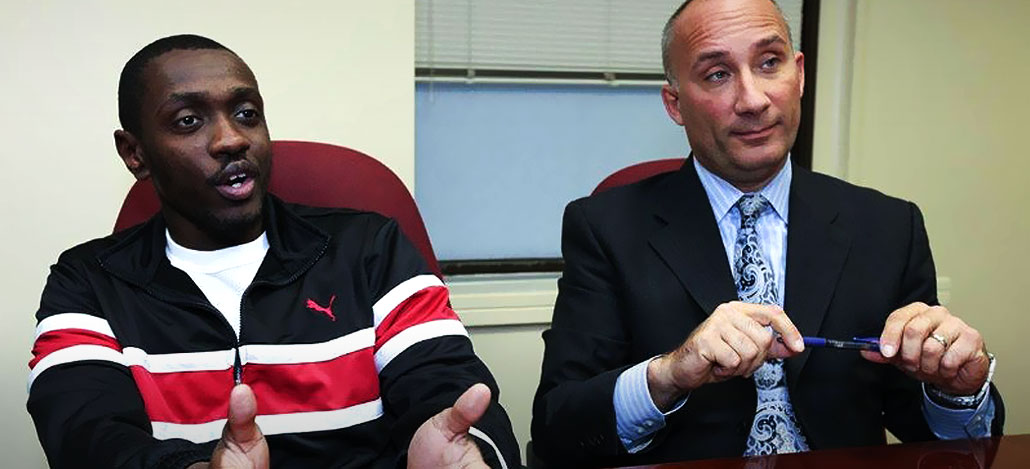
At Pagano Law, our proven track record of success speaks for itself. We’ve helped countless numbers of clients accused of homicide walk free. We pride ourselves on strong defense, relentless fight, and a strong will to succeed for our clients.
- HOMICIDE TRIAL – CHESTER COUNTY, PENNSYLVANIA – NOT GUILTY OF MURDER – A jury acquitted a woman of first and third degree murder and was justified or acted in self defense when she stabbed and killed a student at Lincoln University while defending herself, her brother and others during a physical altercation in a dormitory hallway.
- HOMICIDE TRIAL – NOT GUILTY ALL CHARGES – A store owner while leaving his store with a licensed firearm was carjacked and shot and killed the carjacker. He was charged with murder. The defendant was acquitted of all charges as the Court determined that he acted in self defense.
- TRIAL – NOT GUILTY MURDER – Defendant found guilty of misdemeanor simple assault after trial – defendant was merely present when victim was shot and killed and there was not a conspiracy between the defendant and the shooter.
- First Degree Murder, Third Degree Murder, Violation of the Uniform Firearms Act 6106 and Violation of the Uniform Firearms Act 6105 – Not Guilty in trial by jury of all charges.
When you trust Pagano Law with your case, you’re not just getting a lawyer, you’re getting a team with decades of experience handling homicide cases, with a track record of success in court. If you’ve been accused of a homicide, get in touch with our experienced attorneys today!
Accused of a Homicide in Philadelphia? Pagano Law Can Help!
When your freedom and future are at stake, you need experienced, dedicated criminal defense attorneys on your side. At Pagano Law, we’re committed to providing aggressive defense and personalized attention to every client.
Don’t face serious criminal charges alone. Let our experienced Philadelphia criminal defense team fight for your rights and freedom. Contact Pagano Law today at 215-636-0160 to begin building your defense.
What We Handle
Key areas we fight for you
Track Record
Legal Case Results
Client Stories
What clients say about us
Questions about Homicide Defense Lawyers
Our attorneys field these questions daily. Here are the most common ones — but every situation is unique. Call us for a direct answer about your case.
Speak with an AttorneyWhat should I do if I’m being investigated for homicide but haven’t been charged?
If you believe you are under investigation, do not speak to law enforcement without an attorney present. Anything you say can be used against you later, even if you think you’re helping your situation. Contact a defense lawyer immediately so they can protect your rights, communicate with investigators on your behalf, and potentially intervene before charges are filed.
Can a homicide charge be reduced or dismissed?
Yes, depending on the facts of the case. Charges may be reduced or dismissed if there is insufficient evidence, violations of your constitutional rights, or weaknesses in the prosecution’s case. In some situations, defenses such as self-defense, lack of intent, or mistaken identity can significantly impact the outcome. An experienced attorney will evaluate all possible strategies to pursue the best result.